



 English
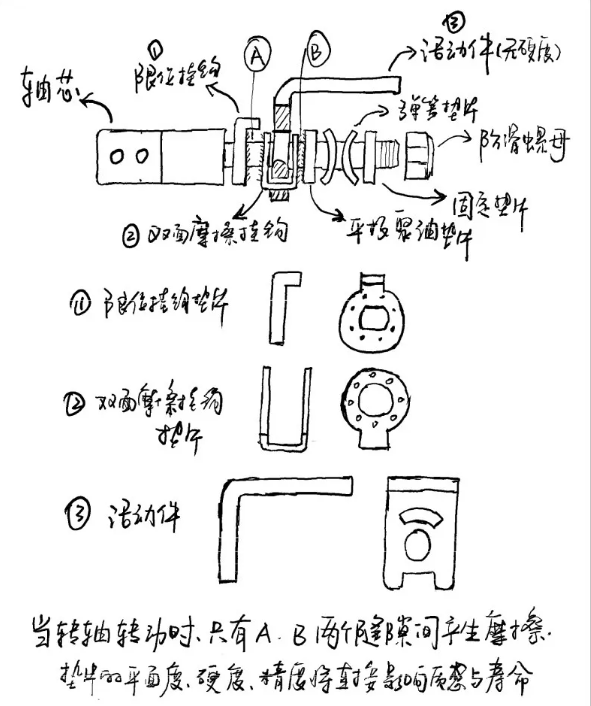
A rotating shaft that won’t stop, corner stress fracture, or stiffness and noise after prolonged use… Often, the root of the problem is not the overall design of the shaft but a small washer that wasn’t selected correctly. Today, let’s talk about this inconspicuous yet crucial component in the shaft—the limit Hook Washer. At the same time, we will touch on Spring washer types and their applications in shafts.
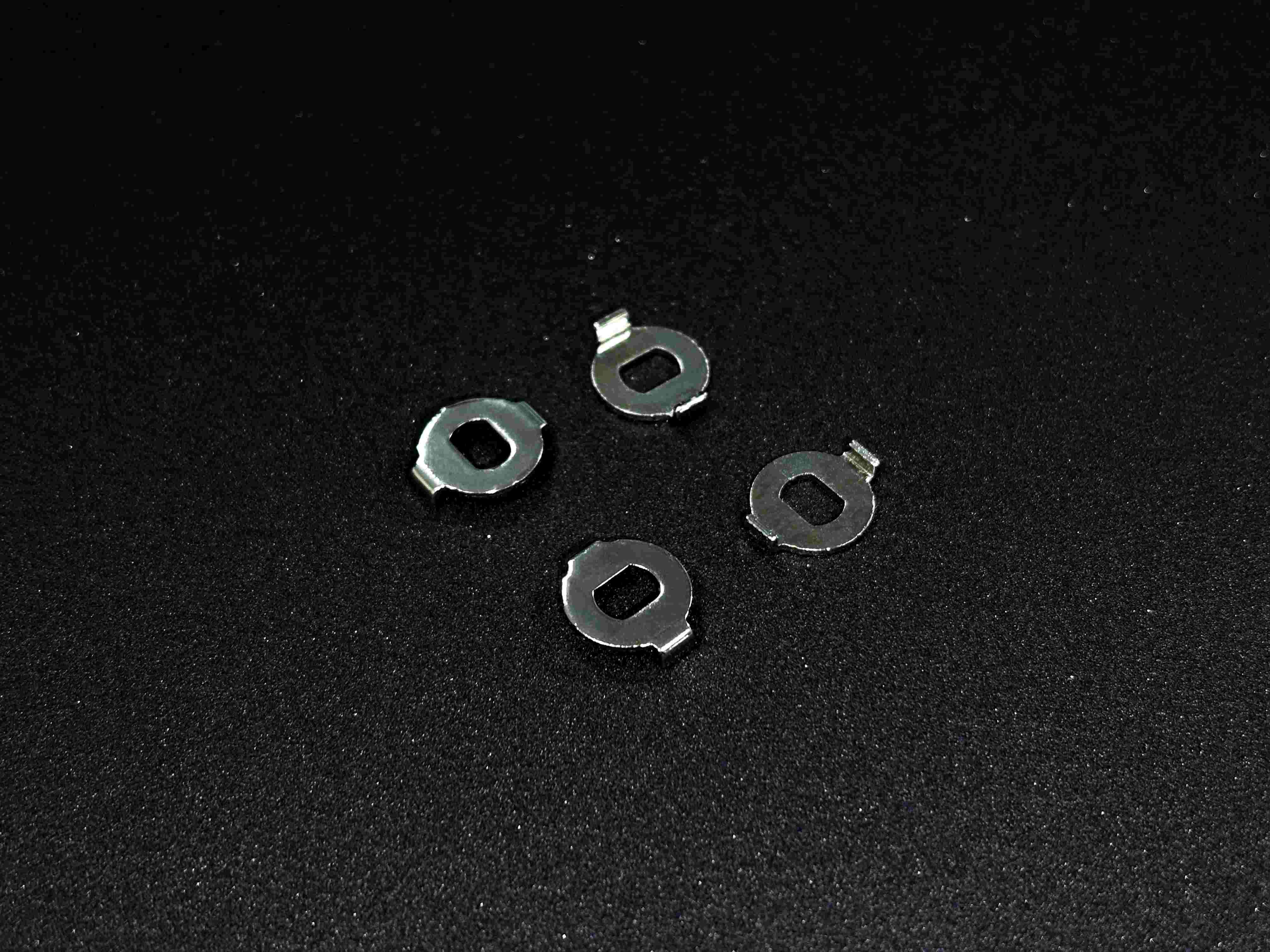
Function of the Limit Hook Washer
During shaft rotation, the limit hook washer restricts the opening and closing angle of the shaft. Similarly, using flat and Spring Washers or a Flat washer and spring washer combination can effectively control loosening and torque decay in assemblies.
Features of the Limit Hook Washer
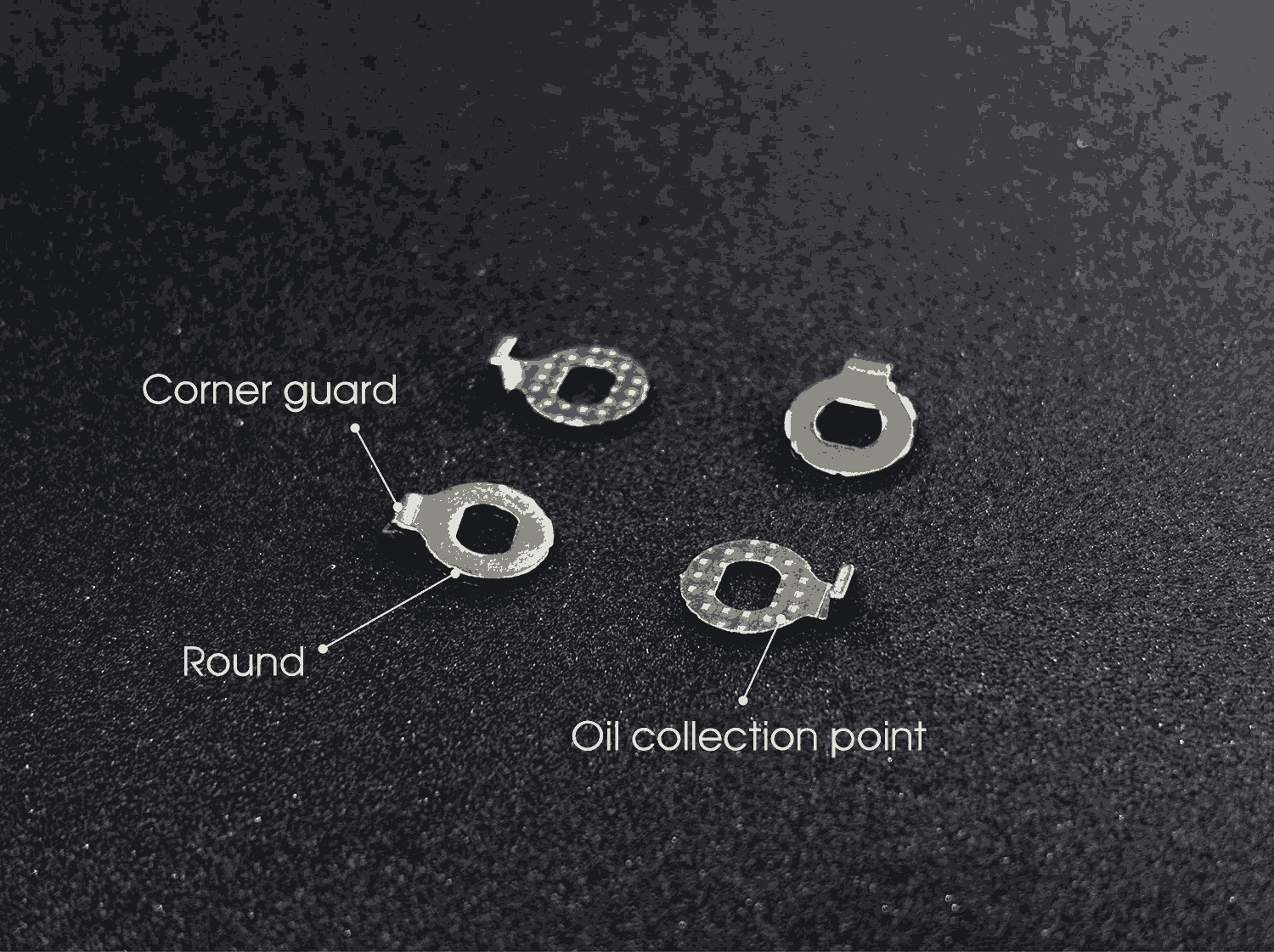
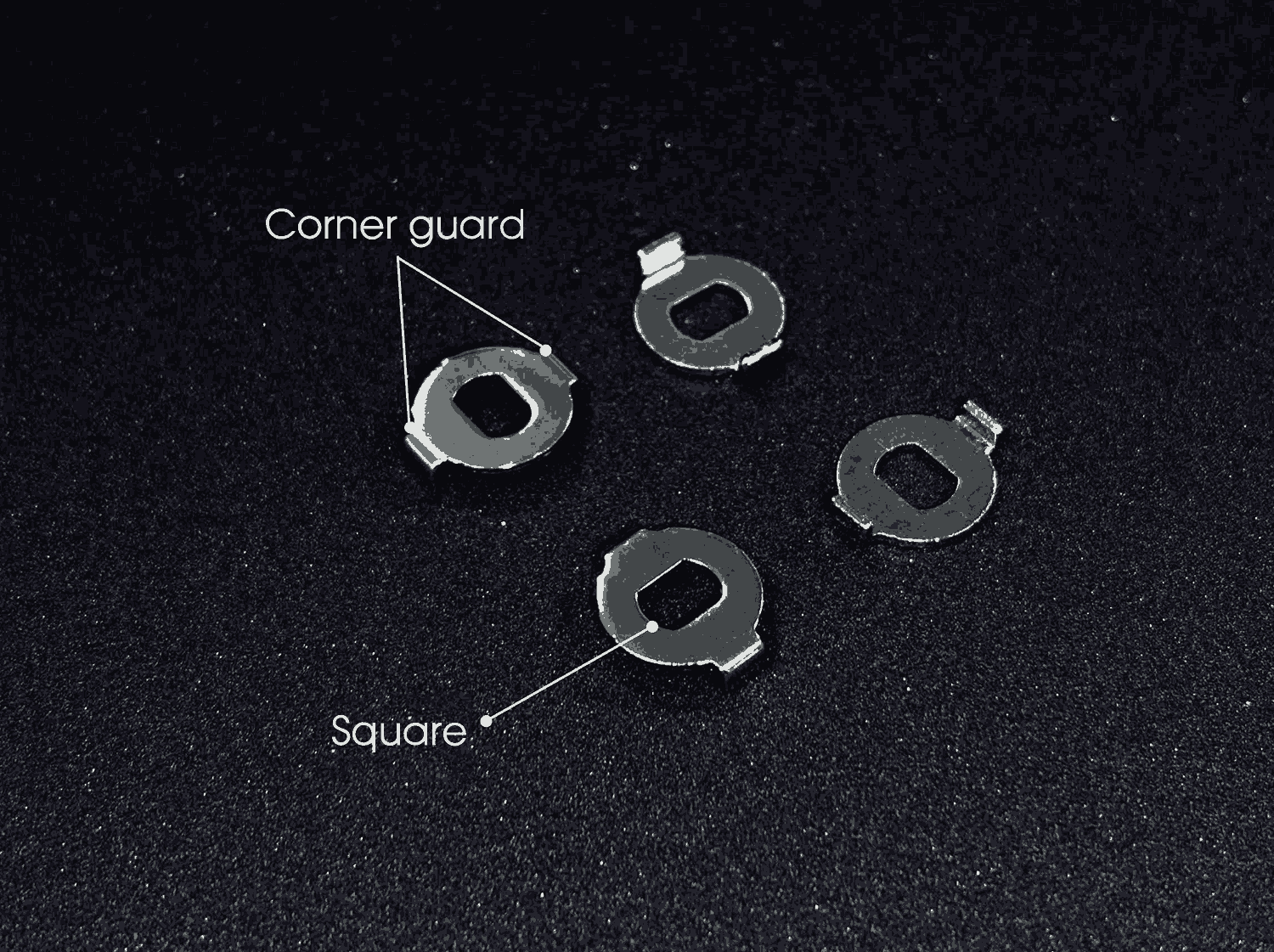
It is round in shape, with bent stops on one or both sides of the outer circle. The inner side of the bent area has oil retention points. The inner hole is square and matches the flat section of the shaft, forming a single piece. The thickness is usually between 1.0–2.0 mm.
When selecting different washer types, you can refer to options like m10 conical washer, belleville conical spring washer, and commonly used bell washers to ensure accurate stopping performance.
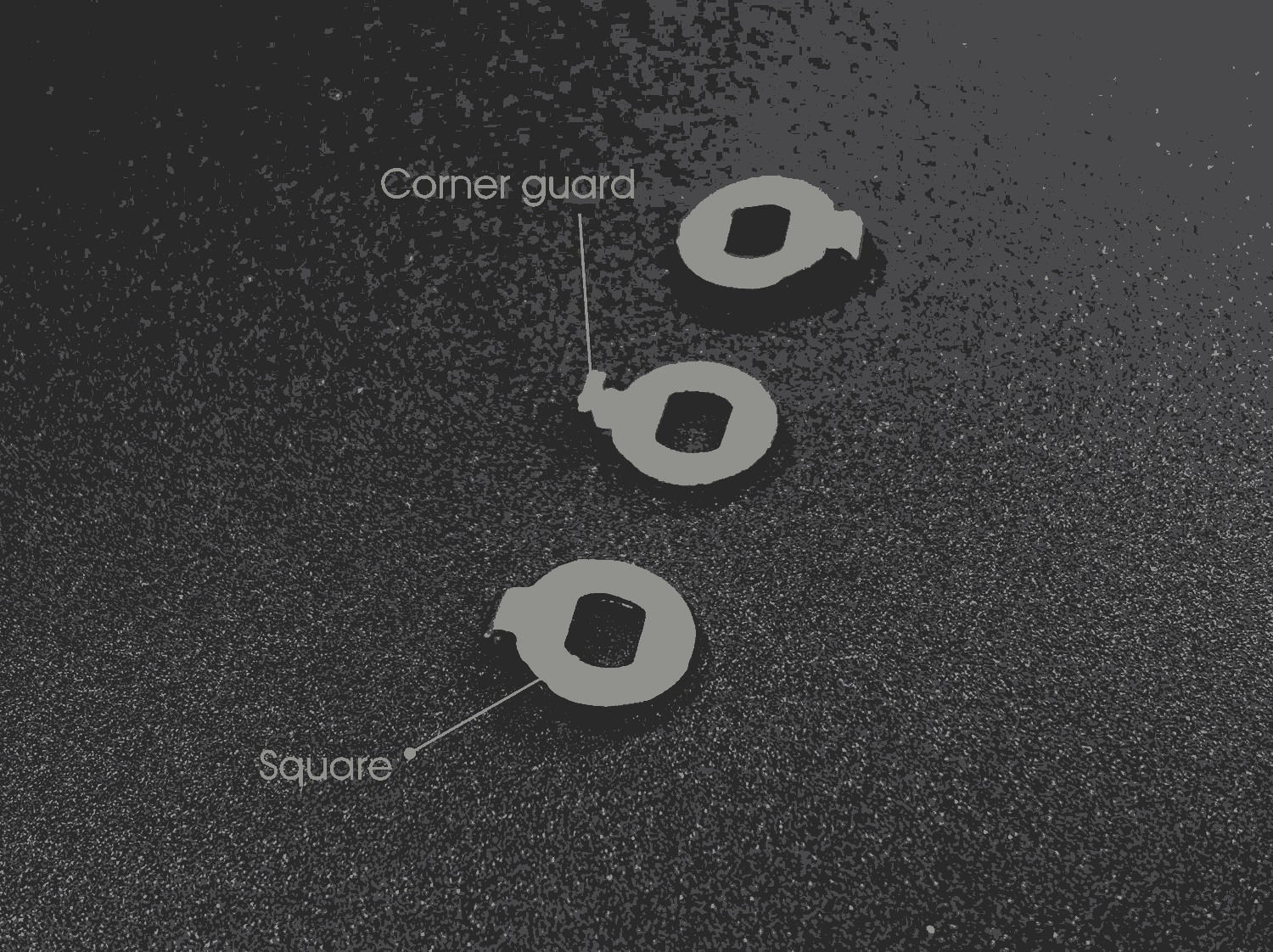
Key Control Points
Inner hole flat-section tolerance must be within 0.02 mm. If too large, the shaft will feel inconsistent during stop; if too small, assembly is difficult or impossible.
Concentricity and symmetry between the inner hole, outer shape, and hooks should be within 0.05 mm to ensure precise angle limitation.
Flatness of both surfaces should be within 0.02 mm. Otherwise, shaft life may be compromised, similar to torque decay issues caused by uneven flat washer spring washer combinations.
Hook bend quality: no press marks on the inner side and no cracks on the outer side. Otherwise, destructive testing may cause breakage and angle limitation failure.
When choosing spring washer types, consider different sizes such as m3 spring washer, m4 spring washer, m6 spring washer, m8 spring washer, m16 spring washer, m24 spring washer to match different shaft diameters and torque requirements.
Materials and Processes
Materials: Common carbon steels like SK7, S50C, and 65Mn.
Processes: Heat treatment hardness typically HRC45–48, surface plating options include eco-friendly nickel, chemical nickel, black nickel, or zinc-nickel alloy.
This is similar to choosing a flat and spring washers combination, where the material and surface treatment depend on the working environment and corrosion resistance needs.
How to Choose
Select the appropriate outer diameter and inner hole based on the actual product structure. Refer to the ERP item number in the Mengpeng limit hook washer specification table.
Choose surface treatment according to the application environment:
Indoor general environment: eco-friendly nickel
Humid or high-temperature indoor environment: chemical nickel with 24-hour salt spray resistance
Outdoor environment: high salt spray-resistant treatments, such as zinc-nickel alloy
Choose a washer with one or two bent stops according to destructive test requirements.
Similarly, when using flat washer spring washer or belleville conical spring washer, select the right specifications and materials according to torque and environmental conditions.
We have prepared a specification table for Mengpeng limit hook washers, covering sizes and corresponding ERP item numbers. Click the link below to view it! You can also refer to sizes like m10 conical washer, m8 spring washer, m6 spring washer to achieve optimal stopping performance in different shaft applications.