



 English
Nuts and Bolts are among the most fundamental fasteners in mechanical assemblies. Understanding what is nuts and bolts, their types, proper usage, and related components is essential for engineers, technicians, and DIY enthusiasts. Whether securing machinery, hinges, rotating shafts, or structural components, correctly using nuts and bolts ensures strong connections, smooth operation, and long-term reliability.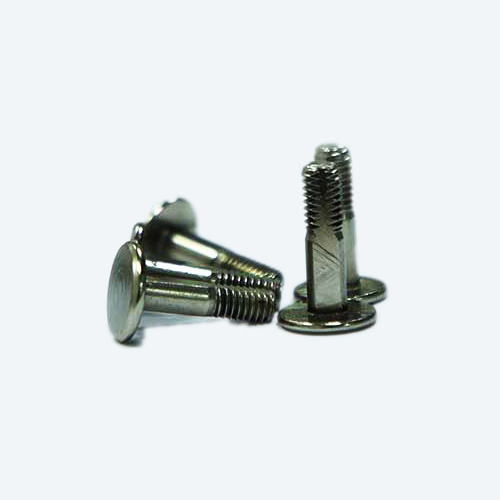
1. Understanding Nuts and Bolts
1.1 What is Nuts and Bolts?
Nuts and bolts are paired fasteners used to join materials together. A bolt is a threaded fastener with a head, while a nut is a threaded ring that screws onto the bolt to secure parts. Together, they create a clamping force that holds assemblies in place.
Key characteristics:
Available in various sizes and materials (steel, stainless steel, nylon, etc.)
Can be combined with washers for load distribution
Essential in mechanical, automotive, industrial, and structural applications
2. Types of Bolts and Nuts
2.1 Top Lock Screws
Top lock screws are designed to resist loosening under vibration. They are commonly used in:
Rotating machinery
Hinge assemblies
Motor shafts
These screws provide reliable torque retention and reduce maintenance frequency.
2.2 Nylon Bolt 1 2
Nylon bolt 1 2 refers to bolts incorporating a nylon insert that increases friction between the bolt and nut threads. Applications include:
High-vibration environments
Adjustable machinery
Light-to-medium load assemblies
The nylon insert prevents self-loosening without the need for adhesives.
2.3 Pivot Bolt
Pivot bolts are specialized fasteners used where rotation or pivoting is required, such as:
Hinges
Linkages
Rotating joints
They provide a stable rotational axis while maintaining secure clamping force.
2.4 Best Lock Nut and Best Lock Nuts for Vibration
A lock nut is a nut designed to resist loosening under vibration or torque changes. The best lock nut and best lock nuts for vibration options include:
Nylon insert lock nuts
Metal lock nuts with deformed threads
Belleville Spring washer combinations
Choosing the correct lock nut ensures assembly stability in high-vibration or dynamic environments.
3. Types of Washers for Bolts
Washers are used to improve fastener performance. Common types include:
Flat washers – Distribute load and protect surfaces.
Spring Washers – Maintain tension and prevent loosening.
Conical or disc washers – Provide high axial load capacity.
Using the correct washer type with your nuts and bolts enhances torque retention, reduces wear, and extends service life.
4. How to Properly Use Nuts and Bolts
4.1 Selecting the Right Fastener
Determine load requirements and environmental conditions.
Choose the appropriate material (steel, stainless steel, nylon-inserted, etc.).
Select compatible washers and lock nuts if vibration or movement is expected.
4.2 Installation Steps
Insert the bolt through the components.
Place the correct washer type (flat washer first, then spring washer if needed).
Thread the nut onto the bolt by hand until snug.
Use a torque wrench to tighten to manufacturer specifications.
For high-vibration applications, ensure lock nuts, top lock screws, or nylon-insert bolts are used.
4.3 Maintaining Proper Torque
Correct torque ensures:
Stable assembly
Reduced wear and loosening
Even load distribution across components
Always refer to torque charts or manufacturer recommendations for specific bolt sizes.
5. Common Applications
5.1 Shaft Assemblies
Nuts and bolts secure rotating shafts, bearings, and couplings. Using pivot bolts and top lock screws can:
Maintain alignment
Prevent loosening under rotation
Extend bearing and shaft life
Washers protect surfaces and distribute stress evenly.
5.2 Hinge Assemblies
Hinges require:
Smooth pivoting
Vibration resistance
Long-term reliability
Nylon bolts, pivot bolts, and lock nuts help maintain torque and prevent loosening under repeated motion.
5.3 Heavy Machinery
Industrial equipment requires bolts and nuts that can withstand:
High load
Vibration
Thermal expansion
Selecting the best lock nut and correct washer combination is critical for safety and performance.
6. Tips for Optimal Performance
Always use compatible washers for load distribution.
In high-vibration environments, use nylon bolts or lock nuts.
Avoid over-tightening to prevent thread damage.
Periodically inspect nuts and bolts for loosening or corrosion.
Consider professional combination solutions for complex assemblies, such as paired Flat washers, spring washers, and lock nuts tailored to shaft or hinge applications.
7. Troubleshooting Common Issues
Loosening under vibration: Replace with top lock screws, nylon-insert bolts, or lock nuts.
Thread stripping: Ensure correct bolt and nut grade; avoid over-tightening.
Uneven load distribution: Add appropriate flat washers or disc washers.
Pivot instability: Use pivot bolts with proper clamping and washers.
8. Conclusion
Understanding what is nuts and bolts and how to properly use them is essential for mechanical assemblies. Correct selection, combination with washers, and the use of lock nuts, top lock screws, nylon bolts 1 2, or pivot bolts ensures:
Secure and reliable connections
Smooth rotation and movement
Extended component life
By following these guidelines, engineers and technicians can optimize assembly performance in shaft systems, hinge applications, and heavy machinery, achieving long-lasting, vibration-resistant, and maintenance-friendly installations.