



 English
What Is a T Shaft and How Does It Work?
In many mechanical hinge systems, people often have a common misunderstanding: they think any two connected parts that can rotate together can be called a shaft. However, a simple rotating connection is only a basic joint, not a complete hinge structure.
A real hinge assembly consists of multiple precision components working together, and the T shaft is one of the most important core parts. It acts as the central connection component that holds all Hinge Components together and ensures stable rotation performance.
What Is a T Shaft?
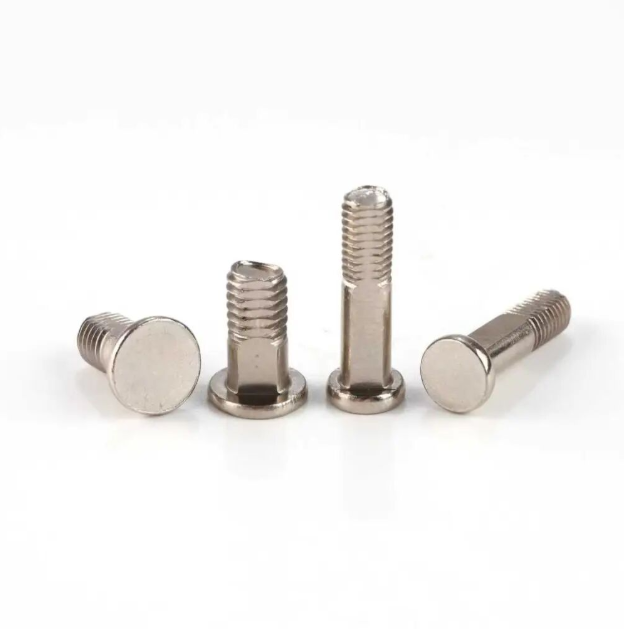
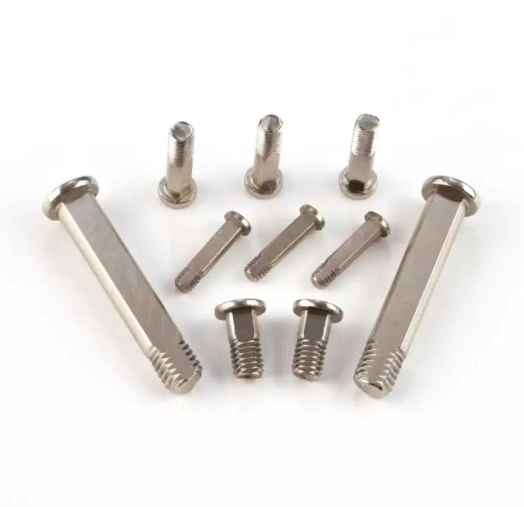
A T shaft, also known as a T-shaped shaft or T hinge shaft, is a specially designed shaft component used in torque hinges and mechanical hinge assemblies.
Its structure features a round head section with an extended threaded shaft. The shaft body is partially machined into a square shape, creating a T-shaped appearance when viewed from the side.
Unlike a simple bolt, a T shaft is designed specifically for hinge mechanisms,
providing both structural connection and rotational support.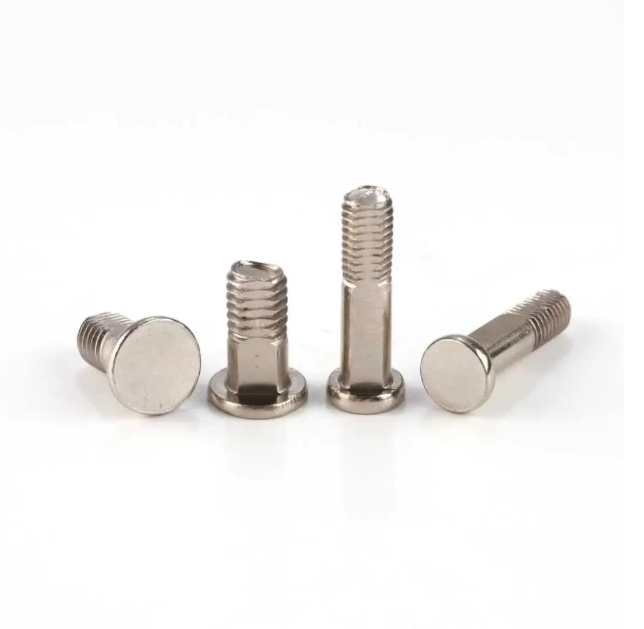
The Main Functions of a T Shaft
1. Connecting All Hinge Components
The primary function of a T shaft is to connect different hinge components into a complete assembly.
During hinge operation, the T shaft works as the central axis, connecting:
Together with nuts and other fasteners, the T shaft securely locks all components into one stable structure, preventing parts from loosening during operation.
2. Providing Structural Support
Because the T shaft is usually manufactured through forging processes, it offers high strength and rigidity.
It helps the hinge assembly withstand:
Rotational torque
Axial pressure
Repeated opening and closing forces
A high-quality T shaft helps prevent deformation and improves the overall service life of the hinge.
3. Supporting Hinge Functions
When combined with cam washers or friction components, the T shaft helps achieve important hinge functions, including:
Automatic return
Angle positioning
Controlled closing
Stable torque performance
T Shaft Structure Features
Appearance Design
The typical T shaft structure includes:
A round head section
A threaded shaft section
Square machining areas on both sides of the shaft
A T-shaped profile from the side view
The square section prevents rotation between the shaft and matching components, ensuring stable assembly performance.
Common Specifications
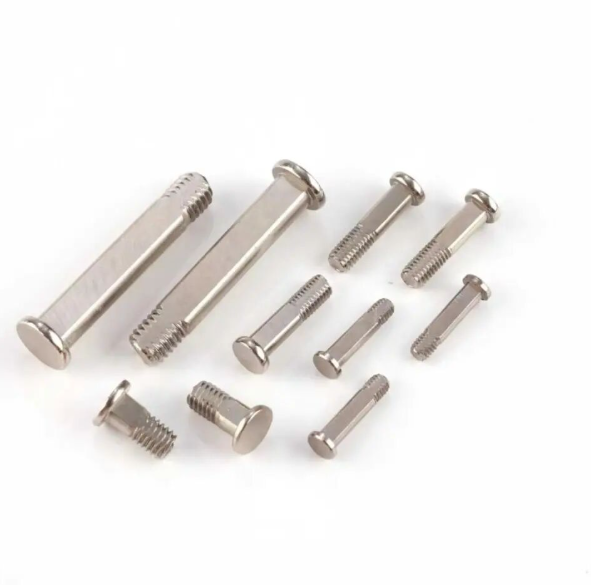
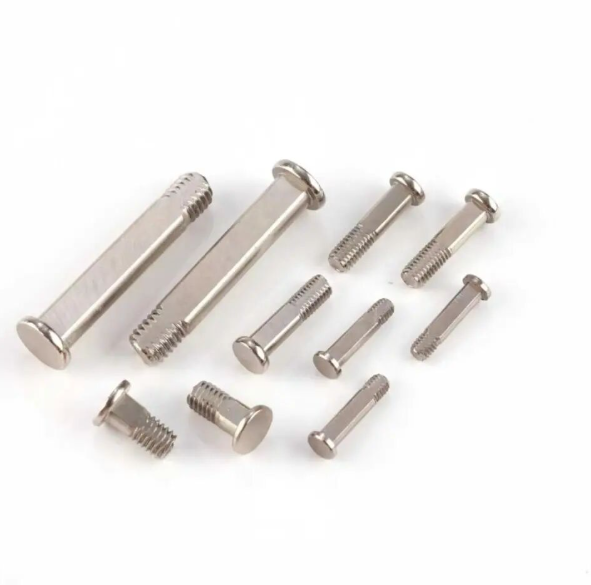
Diameter: M3, M4, M5, M6, M8
Shaft length: approximately 13mm to 50mm
Customized dimensions available according to application requirements
Key Manufacturing Requirements
Dimensional Accuracy
Precision control is critical for T shaft performance.
Important dimensions include:
Head diameter
Head thickness
Square section thickness
Total shaft length
The tolerance of the square machining area usually needs to be controlled within 0.02mm. Otherwise, excessive clearance may cause loose movement and poor hinge feel.
Connection Area Design
The connection between the round head and shaft requires proper corner processing. Excessive radius may prevent other hinge components from fitting completely, causing:
Assembly problems
Uneven torque
Rotation resistance
Thread Processing
The threaded end usually requires a chamfered lead-in section to improve assembly efficiency and prevent installation difficulties.
Material and Manufacturing Process
Materials
Common materials used for T shafts include:
10B21 steel
1144 steel
1215 steel
Stainless steel
Manufacturing Process
T shafts are commonly produced through forging processes, which provide:
Higher strength
Better rigidity
Improved wear resistance
Better deformation resistance
Typical hardness after heat treatment is around HB80-85.
Surface Treatment
Common surface finishes include:
Environmental zinc plating
Black zinc plating
Anti-corrosion coatings
The appropriate surface treatment depends on the application environment. For outdoor or harsh environments, higher corrosion resistance treatments may be required.
How to Select the Right T Shaft?
1. Choose According to Assembly Space
Select the correct diameter and length according to the hinge structure size and available installation space.
2. Select Suitable Surface Treatment
Indoor applications: Standard zinc plating or normal protective coatings
High humidity or high temperature environments: Corrosion-resistant surface treatments with salt spray testing
Outdoor applications: High protection coatings such as zinc alloy coating or Dacromet
3. Match Total Hinge Thickness
The shaft length should match the total thickness of all assembled hinge components while considering the reserved installation space.
Conclusion
A T shaft is not simply a connecting bolt. It is a critical structural component that determines the strength, torque capacity, and service life of a hinge assembly.
With its forged structure, high strength, and precise machining requirements, the T shaft provides reliable support for torque hinges, friction hinges, and various adjustable mechanisms.
For manufacturers looking to develop durable and stable hinge systems, choosing the right T shaft is essential for achieving smooth operation and long-term performance.