



 English
When designing a friction hinge, many engineers focus on preload force or hinge structure while overlooking one of the most influential components—the friction washer. Although it is a small part, the washer plays a critical role in determining hinge torque, rotational smoothness, wear resistance, and long-term stability. Even a slight change in washer dimensions can noticeably affect the opening and closing feel of a laptop, monitor, automotive display, or industrial equipment.
For manufacturers of precision hinges, selecting the right hinge washer is not simply a matter of matching dimensions. Engineers must carefully consider washer thickness, outer diameter, inner diameter, material properties, and the interaction between these factors and the hinge's preload. A properly selected Torque Washer helps maintain consistent friction, minimizes torque variation over thousands of operating cycles, and extends the service life of the entire hinge assembly.
As a professional manufacturer of precision stamped washers, Mengpeng Parts supplies a wide range of friction washers, Hook Washers, Spring Washers, and customized Hinge Components for electronics, automotive applications, medical devices, and industrial equipment. This guide explains how washer dimensions influence hinge torque and provides practical recommendations for selecting the most suitable washer for your application.
Why Washer Size Matters in Friction Hinges
A friction hinge generates resistance through controlled friction between multiple contact surfaces. During assembly, axial preload compresses the washers and mating components together, creating friction that allows the hinge to hold its position without unwanted movement. The washer acts as the primary friction interface, making its dimensions one of the key factors affecting torque performance.
Choosing the correct friction washer can improve several important performance characteristics:
Stable and repeatable hinge torque
Smooth opening and closing movement
Reduced vibration and unwanted looseness
Improved wear resistance during long-term operation
Longer service life for both the washer and the hinge assembly
More consistent product quality across mass production
For products such as notebook computers, foldable displays, automotive infotainment systems, office equipment, and medical instruments, even small torque deviations can significantly influence user experience. This is why precision washer selection has become an essential step in hinge development.
How Washer Thickness Affects Hinge Torque
Among all dimensional parameters, washer thickness is usually the easiest and most effective way to fine-tune hinge torque. In practical engineering applications, changing the thickness of a friction washer often produces noticeable differences in opening force while keeping the overall hinge structure unchanged.
It is important to understand that a thicker washer does not increase torque simply because it creates a larger contact area. Instead, thickness influences the mechanical behavior of the hinge by changing preload distribution, elastic deformation, stiffness, and contact pressure between mating components. These changes directly affect the friction generated inside the hinge.
In many friction hinge designs, engineers observe the following general trends:
Increasing washer thickness generally increases hinge torque.
Reducing washer thickness usually lowers rotational resistance.
Stacking multiple thin washers allows more precise torque adjustment.
Fine thickness control improves torque consistency between production batches.
Instead of redesigning an entire hinge mechanism, manufacturers often adjust washer thickness during prototype testing to quickly achieve the desired opening and closing force. This approach reduces development time while providing greater flexibility during product optimization.
Mengpeng Parts manufactures precision friction washers in various thicknesses to support different torque requirements. Whether your project requires lightweight movement for portable electronics or higher holding force for industrial equipment, customized washer thicknesses can be produced to achieve the required hinge performance while maintaining excellent dimensional consistency.
Typical Friction Washer Thickness Options
| Thickness | Typical Application |
|---|---|
| 0.20 mm | Compact electronic hinges and precision devices |
| 0.50 mm | Consumer electronics and office equipment |
| 0.80–1.20 mm | Laptop hinges, monitor stands, automotive displays |
| 1.50–2.00 mm | Heavy-duty industrial and mechanical hinge assemblies |
Selecting the appropriate washer thickness should always be based on the required hinge torque, operating environment, expected service life, and material characteristics rather than relying solely on dimensional changes. Working with an experienced washer manufacturer allows engineers to optimize both torque performance and production efficiency.
How Outer Diameter and Inner Diameter Influence Hinge Torque
After selecting the appropriate washer thickness, engineers should carefully evaluate the outer diameter (OD) and inner diameter (ID) of the friction washer. These two dimensions directly affect the effective friction radius and contact area, both of which play an important role in determining the final hinge torque. Optimizing OD and ID allows manufacturers to fine-tune torque performance without making major changes to the hinge structure.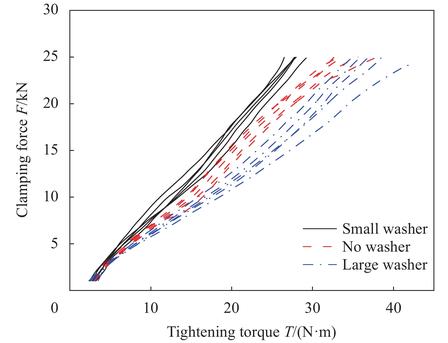
In general, a larger outer diameter provides a larger friction radius, allowing the friction force to act farther from the center of rotation. This typically produces a higher torque under the same preload conditions. Conversely, reducing the outer diameter decreases the effective friction radius, making it easier to achieve lower opening and closing forces for compact products.
The inner diameter also influences torque performance. A properly designed inner diameter maximizes the effective contact surface while ensuring smooth rotation around the shaft. However, the inner diameter should never be smaller than the shaft itself, as excessive interference may lead to abnormal wear, inconsistent torque, or even hinge failure.
The theoretical contact area of a washer can be expressed as:
A = π × (OD² − ID²) / 4
Although contact area is only one factor affecting hinge torque, it helps engineers understand how dimensional changes influence friction behavior. In practical applications, the interaction between contact area, preload force, material properties, and surface finish ultimately determines the final torque output.
General Design Recommendations
| Design Change | Typical Effect on Torque |
|---|---|
| Increase outer diameter (OD) | Higher torque and improved holding capability |
| Reduce outer diameter (OD) | Lower torque for lightweight hinge applications |
| Optimize inner diameter (ID) | Improves contact efficiency while maintaining smooth rotation |
| Match OD and ID precisely | Enhances torque consistency and production stability |
Choosing the Right Washer Material
Dimensions alone cannot determine hinge performance. The material used for a friction washer directly affects the coefficient of friction, wear resistance, fatigue strength, and long-term torque stability. Even when two washers have identical dimensions, different materials can produce noticeably different operating characteristics.
Mengpeng Parts manufactures precision washers using a variety of high-quality materials to meet different application requirements. Material selection depends on the required torque level, operating environment, expected service life, and cost considerations.
| Material | Key Advantages |
|---|---|
| 65Mn Spring Steel | High elasticity, excellent fatigue resistance, suitable for mass production |
| SK5 / SK7 Steel | High hardness, stable torque, excellent wear resistance |
| Stainless Steel | Corrosion resistance for humid or outdoor environments |
| Engineering Friction Materials | Higher friction coefficient for specialized hinge applications |
Selecting the appropriate material helps ensure stable hinge torque throughout the product's service life while minimizing wear caused by repeated opening and closing cycles.
Why Preload Force Is Equally Important
Even the most accurately manufactured torque washer cannot achieve consistent performance without proper preload. During assembly, axial preload generated by screws, rivets, or locking nuts compresses the friction washers against the mating components. This compression creates the normal force required to generate friction torque.
Increasing preload generally increases hinge torque because the contact pressure between friction surfaces becomes higher. However, excessive preload may accelerate wear, increase operating force beyond design targets, and shorten the service life of the hinge. Insufficient preload, on the other hand, may result in loose movement, unstable positioning, or inconsistent torque values.
For this reason, professional hinge manufacturers optimize washer dimensions, material selection, and preload force together rather than adjusting only one parameter. A balanced design delivers smoother operation, better durability, and more reliable torque performance throughout the product lifecycle.
Understanding the Basic Torque Formula
Although actual hinge designs involve multiple variables, the basic relationship between friction and torque can be simplified as follows:
T = μ × F × Rm
T = Hinge Torque
μ = Coefficient of Friction (determined by washer material and surface condition)
F = Axial Preload Force
Rm = Mean Friction Radius (affected by washer OD and ID)
This simplified formula clearly shows that stable hinge torque depends on the combined influence of material properties, preload force, and washer geometry. Optimizing only one factor rarely delivers the best results. Instead, successful hinge design requires a balanced combination of precision manufacturing, appropriate material selection, and carefully controlled assembly conditions.
Practical Tips for Adjusting Hinge Torque
In real hinge development and mass production, engineers often need to adjust torque according to the final product requirements. Whether it is a laptop hinge that requires smooth movement, an automotive display hinge that needs strong holding force, or an industrial hinge designed for repeated operation, small changes in washer design can significantly affect the final performance.
The following adjustment methods are commonly used when optimizing friction hinge torque:
| Target Requirement | Recommended Adjustment Method |
|---|---|
| Increase hinge torque | Increase washer thickness, enlarge outer diameter, select a material with higher friction performance, or increase preload force |
| Reduce hinge torque | Reduce washer thickness, optimize contact dimensions, use low-friction materials, or decrease preload |
| Improve torque consistency | Maintain accurate washer dimensions, control material hardness, and improve production precision |
| Extend service life | Choose suitable wear-resistant materials and optimize surface treatment |
For precision applications, engineers usually prefer adjusting washer thickness first because it provides a simple and efficient way to fine-tune torque without redesigning the hinge structure. When a wider torque range is required, changing the washer diameter or material may provide better results.
Common Mistakes When Selecting Hinge Washers
Although washers appear simple, incorrect selection can lead to unstable hinge performance. Many torque problems in production are caused by unsuitable washer dimensions, poor material matching, or insufficient control of assembly conditions.
Using incorrect inner diameter: The washer opening must properly match the shaft diameter. A washer with an unsuitable ID may cause interference, abnormal friction, or inconsistent torque.
Ignoring material characteristics: Different materials have different friction coefficients, hardness levels, and wear resistance. Choosing the wrong material may result in torque loss after repeated operation.
Over-tightening the assembly: Excessive preload can temporarily increase torque but may accelerate wear and shorten hinge life.
Focusing only on initial torque: A high-quality hinge requires stable torque after thousands of operating cycles, not just high torque during initial testing.
A professional hinge washer manufacturer evaluates not only the initial torque value but also long-term durability, wear behavior, and production consistency. This approach ensures the final hinge assembly delivers reliable performance throughout its expected service life.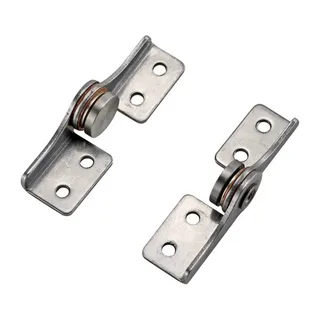
Applications of Friction Washers and Torque Washers
Precision washers are widely used in applications where controlled rotational resistance is required. By providing stable friction and accurate torque control, friction washers help improve product quality and user experience across multiple industries.
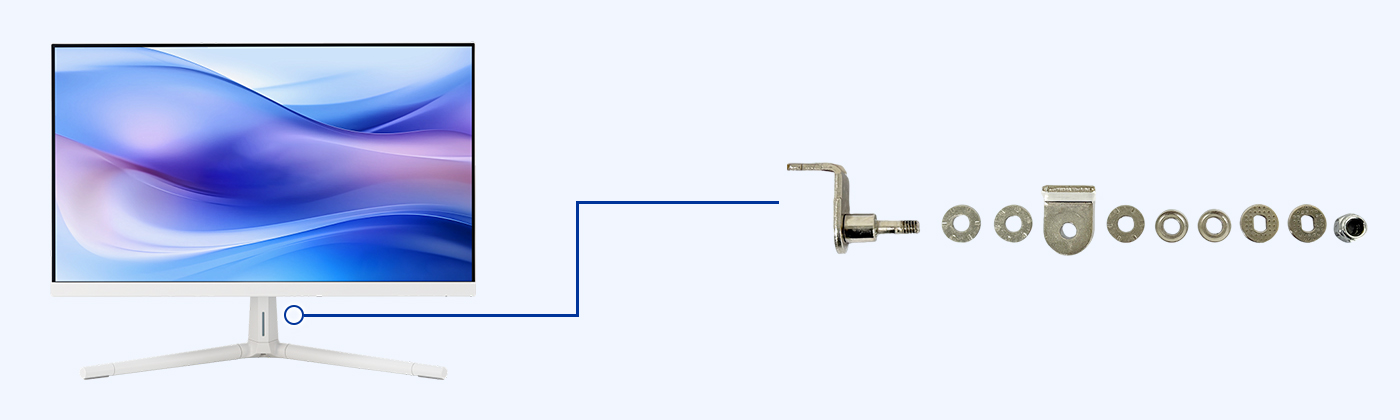
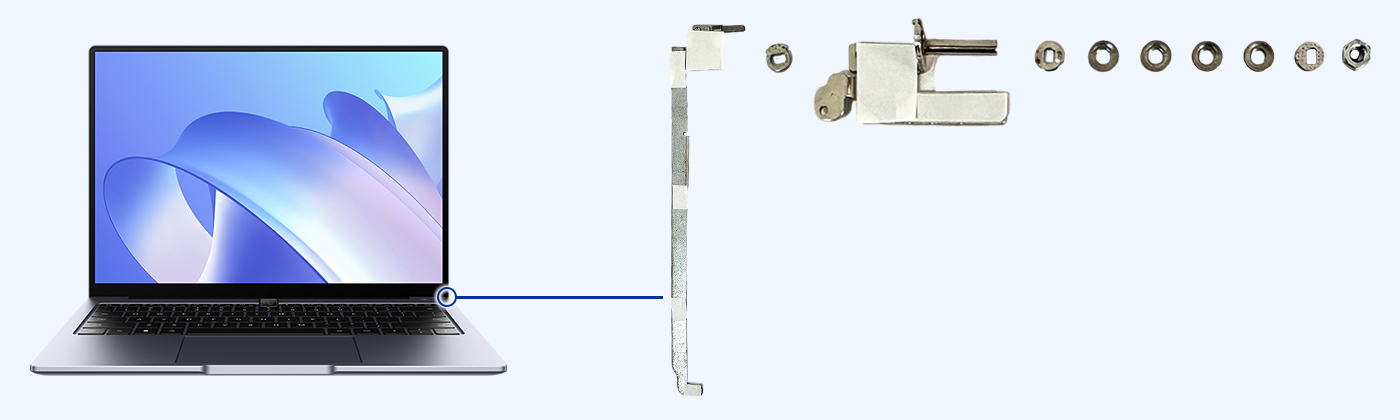
Laptop and Notebook Hinges: Provide smooth opening movement and stable screen positioning.
Monitor and Display Hinges: Maintain adjustable viewing angles while preventing unwanted movement.
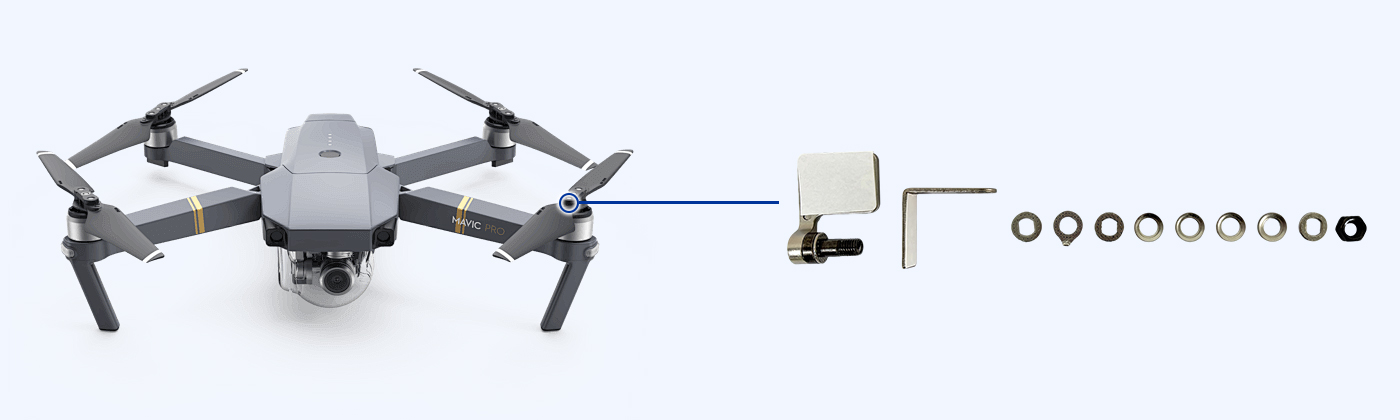
Automotive Interior Components: Support folding displays, control panels, and adjustable mechanisms.
Medical Equipment: Provide precise positioning and reliable operation.
Industrial Equipment: Improve durability in mechanical rotation systems.
Consumer Electronics: Enhance the tactile experience of compact products.
With the continuous development of lightweight and foldable products, the demand for high-precision torque control components continues to grow. Manufacturers require washers that provide not only accurate dimensions but also stable performance during long-term use.
Why Choose Mengpeng Parts for Precision Hinge Washers?
Mengpeng Parts specializes in manufacturing high-quality precision stamped components, including friction washers, hook washers, spring washers, torque washers, and customized hinge components. With extensive experience in precision metal stamping and OEM manufacturing, the company supports customers worldwide with reliable solutions for different torque control requirements.
The advantages of working with Mengpeng Parts include:
Customized Design Support: Customized dimensions, materials, and specifications according to customer requirements.
Precision Manufacturing: Strict control of thickness, diameter, flatness, and dimensional accuracy.
Material Selection: Support for 65Mn, SK5, SK7, stainless steel, and other suitable materials.
Stable Quality Control: Consistent performance for high-volume production applications.
OEM and ODM Capability: Professional support from prototype development to mass production.
Whether you need a standard hinge washer or a fully customized friction washer solution, Mengpeng Parts can provide engineering support to optimize torque performance, durability, and production efficiency.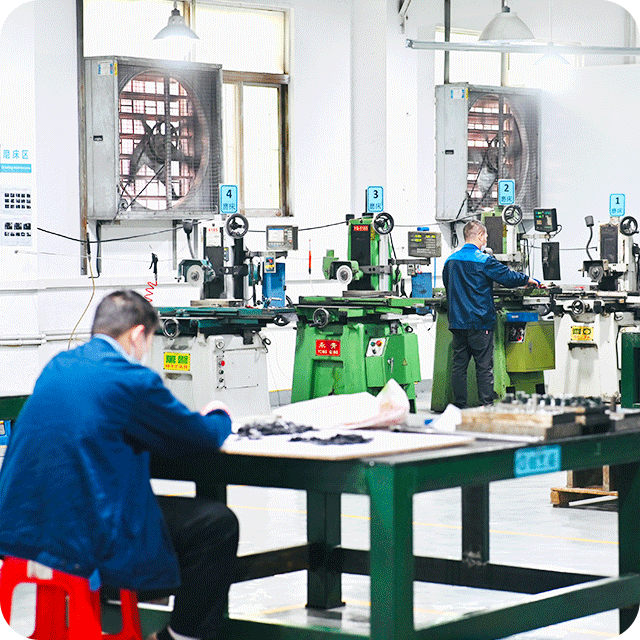
Conclusion
Washer dimensions play an essential role in determining hinge torque. Thickness affects preload distribution and contact behavior, outer and inner diameter influence friction radius and contact efficiency, while material selection determines friction performance and durability.
The best hinge performance comes from balancing three key factors: washer geometry, material properties, and preload force. By selecting the right friction washer or torque washer, engineers can achieve smoother operation, stable holding force, and longer product life.
For precision hinge applications, partnering with an experienced washer manufacturer helps ensure every component meets the required torque specifications and reliability standards.