



 English
Advanced Hinge Design Strategies: How to Improve Torque Stability, Durability, and User Experience
In precision mechanical products, hinges may appear to be small components, but they play a critical role in product performance, reliability, and user experience. Many engineers focus only on whether the torque value meets specifications, but a high-quality hinge requires much more than a simple torque measurement.
The real performance of a precision hinge depends on the combination of structural design, material selection, friction control, lubrication technology, and tolerance management. Through optimized engineering solutions, manufacturers can achieve smoother operation, longer service life, and consistent product quality.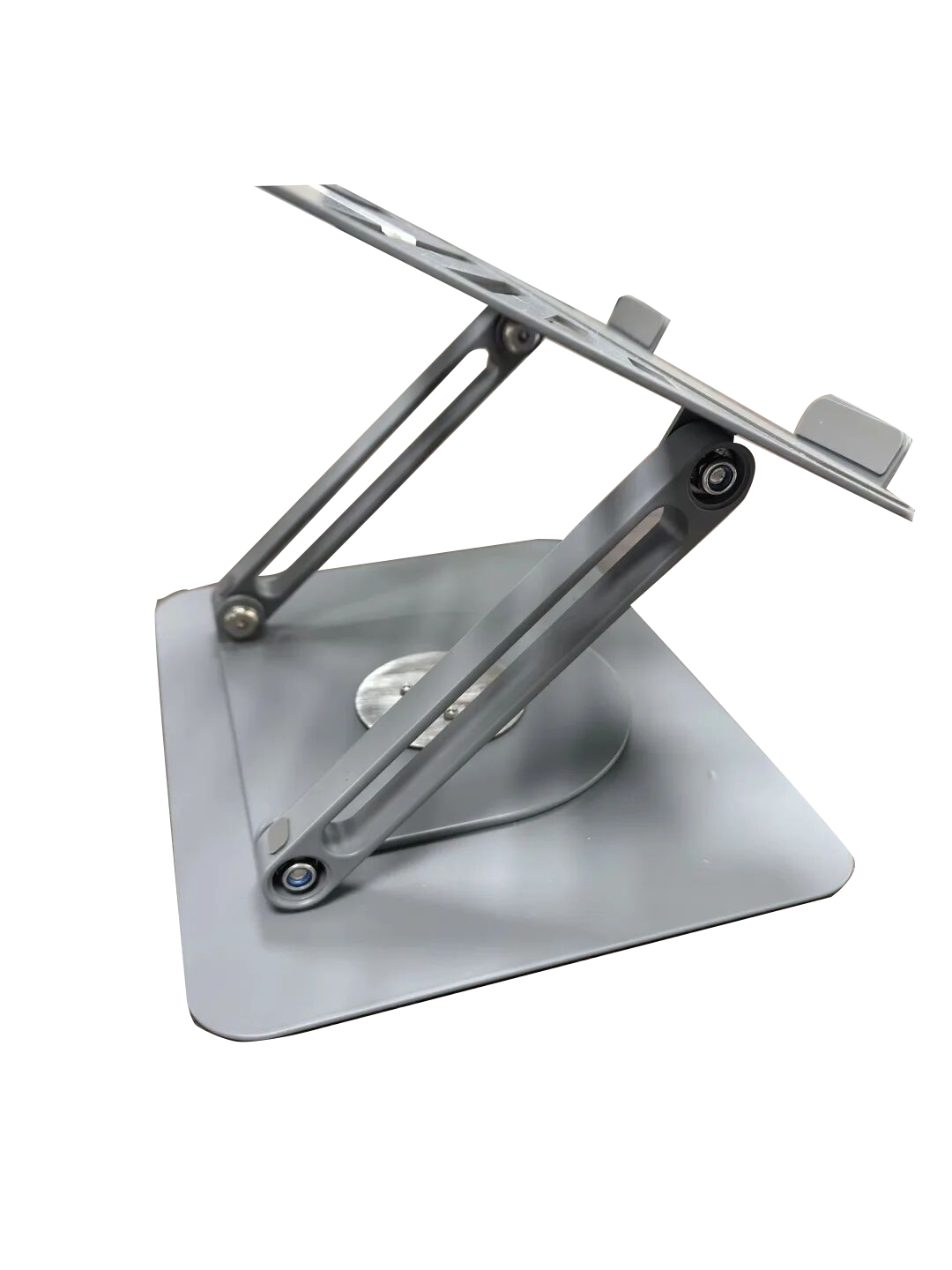
Why Torque Value Alone Cannot Define a High-Quality Hinge
Torque is one of the most important parameters of a hinge, but it is not the only factor that determines performance. A hinge with correct torque specifications may still experience problems such as uneven resistance, loose movement, vibration, or early failure.
A reliable precision hinge design must balance:
Operating smoothness
Torque consistency
Structural strength
Wear resistance
Long-term durability
This is especially important for applications such as laptops, monitors, medical equipment, industrial devices, and smart electronics where users expect stable and smooth movement.
1. Optimizing Hinge Feel: Smooth Operation Without Looseness
A premium hinge should provide a comfortable operating experience: smooth movement without sticking, excessive resistance, or unstable positioning.
Uniform Friction Control
Traditional hinge structures may create uneven friction points, causing inconsistent opening and closing force. Advanced hinge designs use optimized friction surfaces to distribute resistance evenly throughout the rotation process.
This helps eliminate:
Sudden torque changes
Sticking points
Uneven opening force
Poor user experience
Reducing Mechanical Clearance
Precision tolerance control between shafts, brackets, washers, and housing components is essential for eliminating unwanted gaps.
A properly designed hinge prevents:
Looseness during operation
Screen shaking
Unstable positioning
Linear Torque Matching
High-quality hinges require consistent torque throughout the entire rotation angle. The opening force should remain balanced from the initial movement to the maximum angle.
2. Stability Design: Preventing Dropping, Rebound, and Vibration
For products such as laptops and display devices, hinge stability directly affects product reliability.
Center of Gravity Analysis
Before determining hinge torque, engineers should analyze the product's overall center of gravity. Larger offset loads require additional torque capacity to maintain stable positioning.
Dual-Axis Load Distribution
For laptop hinge applications, dual-axis structures provide balanced force distribution and reduce stress concentration on a single hinge point.
Benefits include:
Improved structural stability
Reduced deformation risk
Longer service life
Mechanical Limit and Buffer Structures
Adding mechanical stops or soft buffering structures prevents excessive rotation and protects internal friction components from damage.
3. Long-Life Hinge Design: Maintaining Performance After Thousands of Cycles
The biggest difference between standard hinges and premium hinges is long-term performance stability. A high-quality hinge should maintain consistent torque even after repeated operation.
Optimized Friction Surface Design
Increasing friction surface area and improving contact flatness helps reduce concentrated wear.
Advanced designs often use:
High-precision friction plates
Multi-surface contact structures
Wear-resistant materials
Professional Lubrication Solutions
Proper lubrication plays an important role in reducing friction noise and preventing premature wear.
Precision hinges commonly use specialized damping grease to maintain stable performance under different temperatures and operating conditions.
Preload Compensation Structure
Spring Washers and preload structures help compensate for long-term wear and maintain stable torque performance throughout the product lifecycle.
Strict Tolerance Control
Batch consistency is achieved through accurate control of:
Shaft diameter tolerance
Washer thickness
Component assembly clearance
Precise manufacturing ensures every hinge delivers the same operating experience.
4. Customized Hinge Design Strategies for Different Applications
Lightweight Consumer Electronics
For thin and portable devices, hinge designs should prioritize lightweight structures, smooth operation, and stable torque performance.
Typical applications include:
Laptop hinges
Tablet hinges
Smart device components
Commercial High-Frequency Equipment
For frequently operated equipment, durability and wear resistance are the primary considerations. Stronger friction structures and higher torque margins help extend service life.
Large Display and Heavy Equipment
Large and heavy devices require stronger mechanical structures combined with locking and damping functions to ensure safety and stability.
Why Choose Professional Custom Hinge Manufacturing?
A reliable hinge supplier provides more than standard components. Professional manufacturers combine engineering expertise, precision machining capability, material knowledge, and quality control systems to develop customized solutions.
At Mengpeng Parts, we focus on precision mechanical components with strict manufacturing standards to help customers achieve reliable performance and consistent quality.
Conclusion: High-Performance Hinges Require Comprehensive Engineering
A high-quality hinge is not defined only by torque specifications. The best hinge solutions combine structural optimization, friction management, material selection, lubrication technology, and precision manufacturing.
From consumer electronics to industrial equipment, carefully engineered hinges improve product durability, user experience, and long-term reliability.